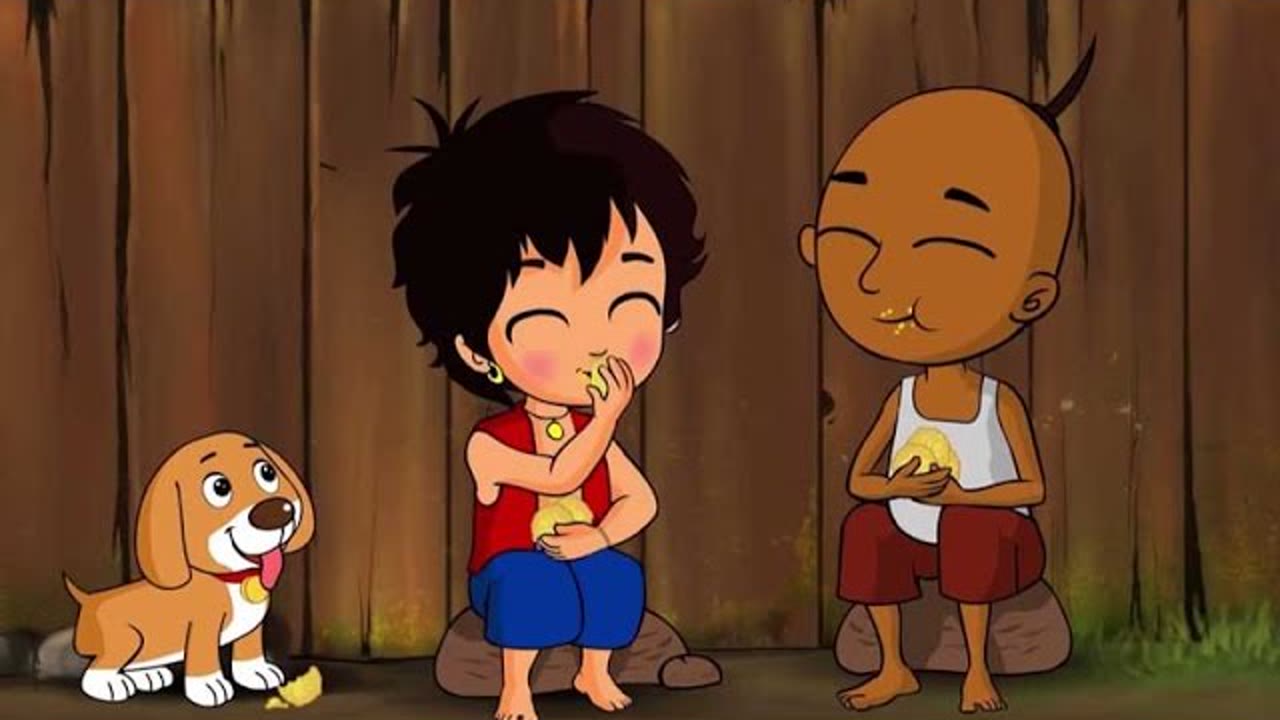
Explaining a disease to the districts it takes children from.
Public health communication supporting India's response to Japanese encephalitis, a disease concentrated in a handful of states and most dangerous to young children.
What Anya Segen built
Anya Segen produced the animated awareness film explaining the disease, how it spreads and how vaccination prevents it, made for families in endemic districts.
The programme, in numbers
What the work was part of.
156 millionIndian children vaccinated against Japanese encephalitis since 2006Published figure, see sources
75%approximate share of India's cases over three decades that came from Uttar Pradesh alonePublished figure, see sources
2.3 to 0.58cases per 100,000 in Kushinagar district, 2010 to 2012Published figure, see sources
65%routine immunisation coverage in districts with the vaccine, as of mid-2018Published figure, see sources
Figures describe the programme Anya Segen worked on, as published by the client, the government or independent evaluators. Anya Segen's own contribution is stated above, separately.
What the evidence shows
Reach is the start. This is the rest.
01Kushinagar's incidence fell from 2.3 per 100,000 in 2010 to 0.81 in 2011 and 0.58 in 2012: one district's version of what the national campaign was for.
02PATH supported Uttar Pradesh and Bihar between 2013 and 2015 on immunisation coverage and on clinical management of encephalitis cases to reduce deaths.
03Coverage sitting at roughly 65% is the argument for communication. The vaccine existed; the gap was in reaching and convincing families.
From the work
On the ground.
Animation chosen deliberately: the audience includes the children most at risk
Vaccination campaigns fail quietly when families do not understand what is being prevented. The film existed to close that gap, not to argue, but to make an invisible risk legible to the people carrying it.
Three lines about the behaviour you are trying to move, and within 48 hours you get a one-page read of where the communication is leaking and the first move we would make.