Long before a scheme becomes a brand, it has to be understood. This is the work that taught us how: sensitive subjects, rural audiences, many languages, and real behaviour on the other side of it.
Pathfinder International
Family planning learning modules
Animated learning in English, Hindi and Marathi: 80 minutes of content across 8 sections, an LMS set up for 1,500 users, mobile offline access and full documentation.
Why it mattersSensitive health content, animated, multilingual, delivered as digital learning people actually completed.
More →
Population Foundation of India
SBCC for key populations · Saathiya
An SBCC package for key populations, and support to the Saathiya adolescent programme through leaflets, logos, app promotional material and game design.
Why it mattersAdolescent and social behaviour communication, where sensitivity and clarity decide whether a message is heard at all.
More →
Nutrition International
Communication needs assessment
A Communication Needs Assessment and Behaviour Change Intervention Plan for maternal and child nutrition across Uttar Pradesh and Gujarat.
Why it mattersStrategy before creative. We diagnose the behaviour gap in the field before anyone designs a poster.
PATH
Japanese Encephalitis awareness
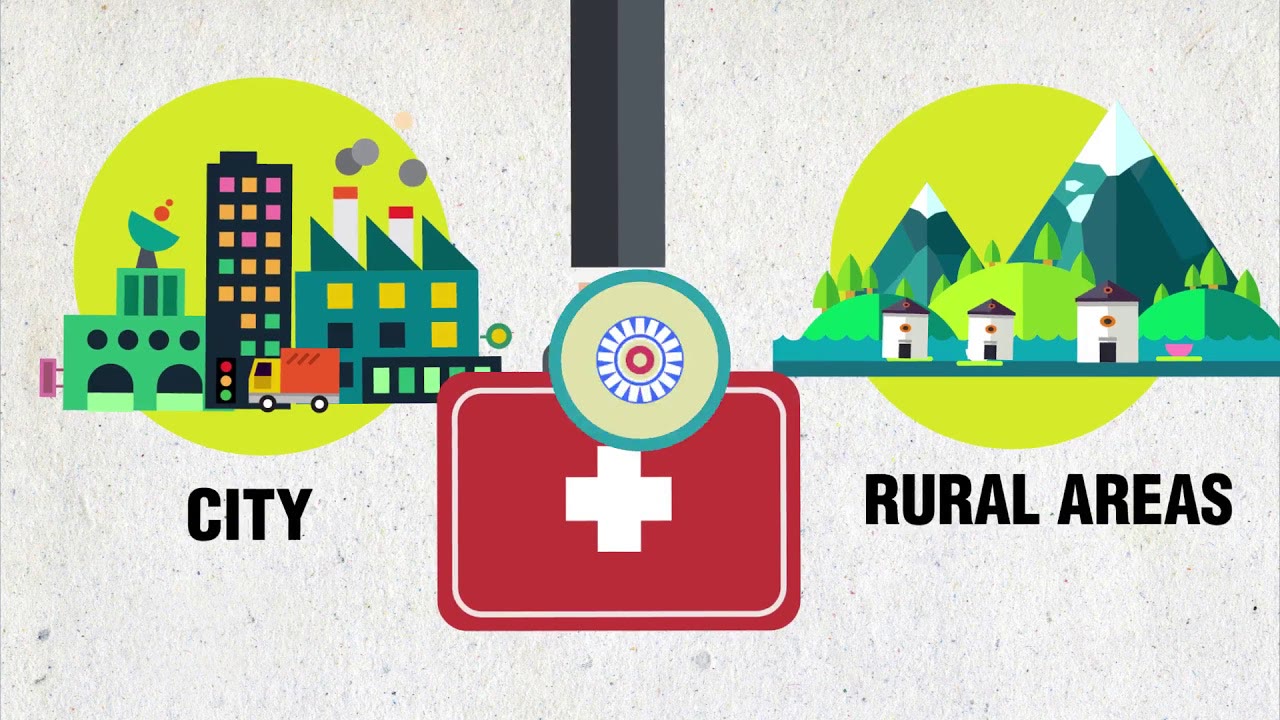
Public health communication including animated awareness content explaining a disease, its risk and its prevention in plain visual language.
Why it mattersHealth education that stays accurate while becoming simple enough to act on.
More →
BBC Media Action
Kilkari · health service in rural India
Communication for one of India's largest mobile health services, made for rural and underserved audiences reached on basic phones.
Why it mattersRural reach with familiar, low-friction messaging: the hardest audience to move, and the one most programmes are written for.
More →
Government & state missions
Schemes, turned into brands
Chhattiskala in Chhattisgarh, the Gullak entrepreneurship summit in Uttarakhand and Saras Aajeevika on its national stage in Delhi: identity, environments, films and campaigns.
Why it mattersProof that the same method works at state and national scale, in public view.